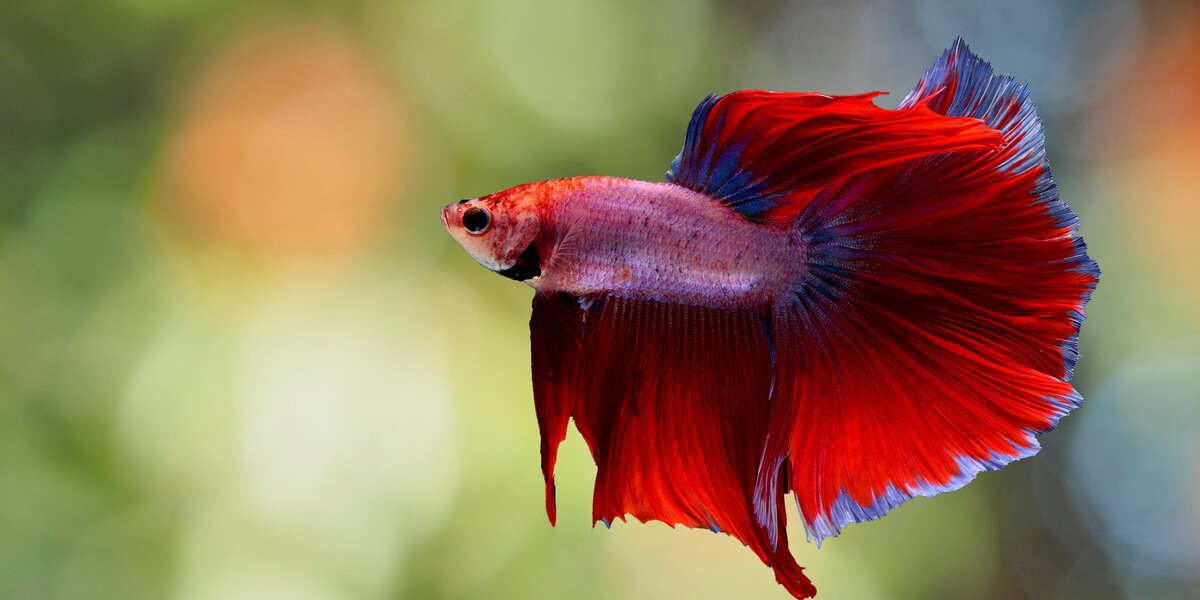
It makes sense to confuse a fertile betta with a pregnant betta, but one should not only worry about whether the female betta fish is ready to lay her eggs, but it is also okay to have them expelled when a male is present.
Fertile Betta fish produce eggs with white vertical stripes, but they also produce eggs when a male is ready to mate, as evidenced by the creation of a bubble nest around him in the aquarium. Female Betta fish are classed as spawning fish because their eggs are laid without fertilizations by a male, meaning they can never become pregnant. They do not mate with a male Betta, and they expel unused eggs if they are not paired with another male Beta fish in an aquarium.
If you have a male and a female Betta and notice that they build bubble nests, it means that males and females are ready to mat with and the female has been placed in a breeding tank. When a male is ready to mate, it will create a bubble nest on the surface of water where the female bota fish lay eggs. When the female has the feeling that the nest is right, she lets the male squeeze the eggs with his egg-laying.
Male bettas can be kept in individual tanks or as the only betas in a community aquarium. They are kept in habitats one liter or larger. They can live in community pools not only with aggressive fish such as tigers and porcupines, but also with aggressive betas such as outlandish guppies.
In order to breed your female fish, you need to set up a few additional aquariums. In my experience, two to three females in a 7-gallon tank are fine for the right fish, but if you have a 70-gallon tank with 1 male beta and 50 shoals of fish, organize a fish community. Set up two tanks so that one fish can see the other and prepare for breeding.
The small white spot on the egg-laying site, which is used to lay eggs, is one of the safest ways to distinguish a female from a male. Males build bubble nests to prepare for breeding, while females build nests for males to mate in another tank. When a male builds a bubble nest, it is ready to mate, and the fish express this by feeling safe and comfortable.
Under these conditions, the fish can breed for up to a week without feeding them live or changing their water. Goldfish are better in cold water than beta, which is what they need.
 Betta Fish